Americans bought new cars at a healthy clip in June, and the reason has less to do with electric hype and more to do with good old-fashioned hybrids. Sales climbed 4.4% year over year, with gas-electric models doing much of the heavy lifting while full battery-electric vehicles cooled off.
- New light-vehicle sales hit a 16.52 million seasonally adjusted annual rate in June, up 4.4% from a year ago.
- Hybrid sales jumped 19.4% in the first half of 2026, while battery-electric sales fell 25.1%.
- The average monthly finance payment reached $813, a record high for the month of June.
The Numbers Behind the Bounce
New light-vehicle sales in the United States reached a seasonally adjusted annual rate of 16.52 million units in June 2026, according to NADA’s latest Market Beat report. That’s a 4.4% gain compared with the same month last year, and it gave dealers a reason to feel good heading into the back half of the year. Readers interested in the broader context can also explore why buyers are shifting toward hybrids.
Zoom out a little, though, and the picture gets more nuanced. The year-to-date SAAR through June sits at 15.9 million units, which is actually down 2.8% from the first half of 2025. NADA is quick to point out that the comparison is a bit lopsided. Early last year, plenty of shoppers rushed to buy ahead of tariffs on imported autos and parts, pulling future sales forward and padding those 2025 totals. So this year’s softer first-half figure isn’t the alarm bell it might look like at first glance.
Hybrids Keep Climbing
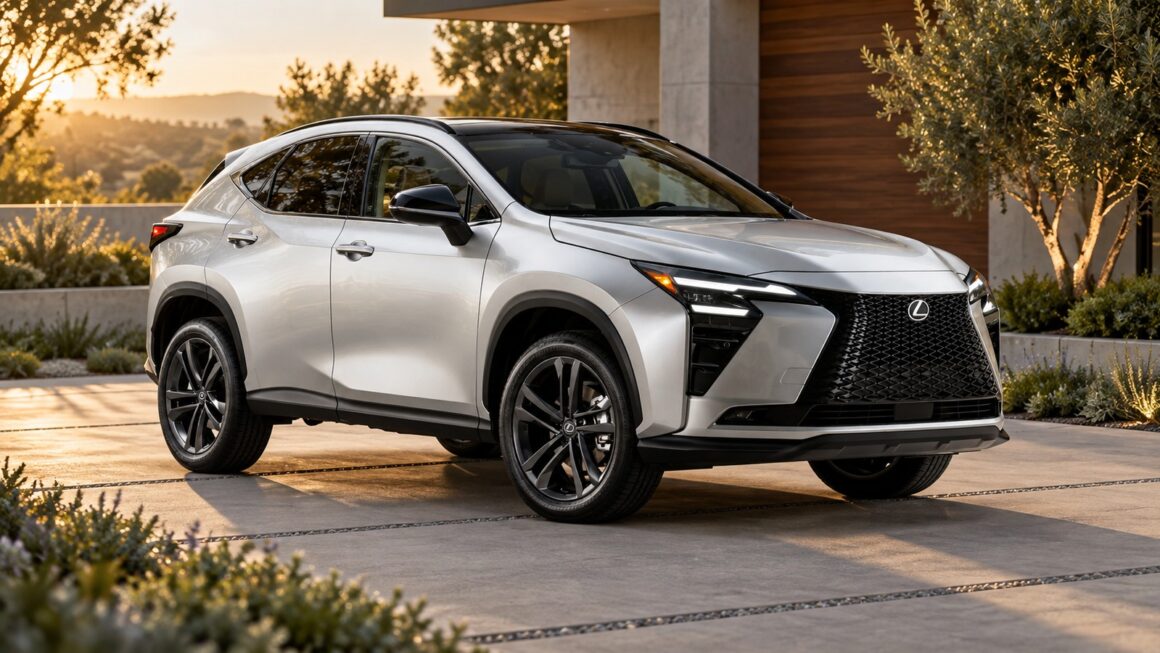
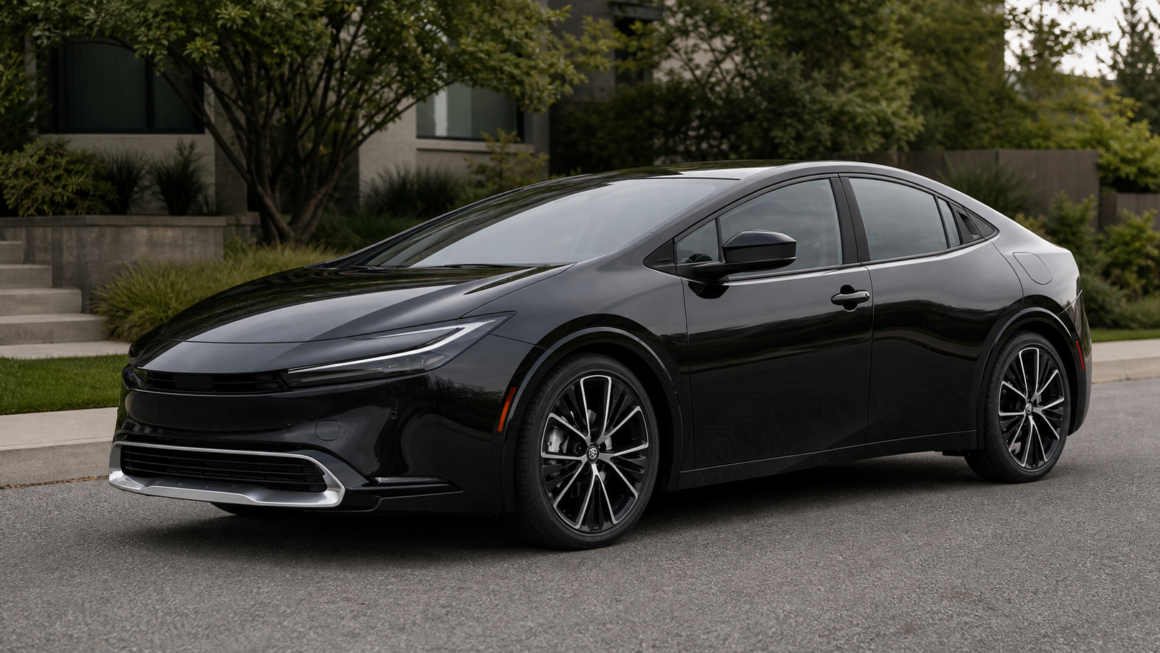
If you want the real story of 2026 so far, follow the hybrids. Conventional gas-electric models racked up 1.21 million sales in the first half of the year, a 19.4% jump over the same stretch in 2025. Hybrid market share climbed to 15.4%, a gain of 2.9 percentage points. For authoritative background, the Department of Energy’s hybrid vehicle guide offers useful context.
The momentum showed up across a lot of showrooms in June. Toyota, Hyundai, Subaru and Kia all posted sales gains fueled by hybrid demand. Kia stood out in particular, with its hybrid sales surging a remarkable 187%. Buyers seem drawn to the middle ground these models offer, better fuel economy without the range worries or charging headaches that still give some shoppers pause.
Battery-electric vehicles, on the other hand, went the other direction. BEV sales dropped 25.1% year over year through the first half of 2026, and their market share slipped 1.7 percentage points. The enthusiasm that drove EV headlines a couple of years back has clearly cooled, at least for now.
Affordability Is Still the Sticking Point
Even with sales up, the money side of car buying keeps getting tougher. JD Power estimates the average monthly new-vehicle finance payment hit $813 in June, up 3.4% from a year ago and the highest June figure on record. Automakers are throwing more cash at the problem too. Average incentive spending per vehicle rose 12.7% year over year to roughly $3,217.
To keep those monthly payments manageable, more people are simply stretching out their loans. JD Power reports that 13.6% of new-car loans now run 84 months or longer. Signing up for seven-plus years of payments lowers the monthly bite, but it also keeps buyers underwater longer and adds interest over the life of the loan. It’s a trade-off a growing share of shoppers is willing to make.
What to Watch for the Rest of 2026
The biggest wildcard for the second half of the year is trade policy. The U.S. will not renew the USMCA in its current form, and talks with Mexico are continuing through July 20. No date has been set yet for negotiations with Canada. Since so much of North American vehicle production crosses those borders, the outcome could ripple through pricing and supply well into next year. Dealers are watching closely.
For now, NADA is holding its full-year forecast steady at 16.0 million new light-vehicle units. That points to a market that’s stable rather than spectacular. If you’re shopping, the takeaway is pretty practical. Hybrids are hot and moving fast, so popular trims may be tight. Compare loan terms carefully instead of just chasing the lowest monthly payment, and keep an eye on incentives, because automakers are clearly willing to deal.
This post may contain affiliate links. Meaning a commission is given should you decide to make a purchase through these links, at no cost to you. All products shown are researched and tested to give an accurate review for you.